cat breeds encyclopedia
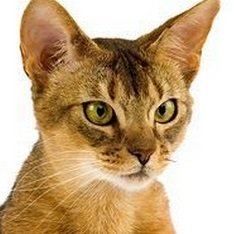
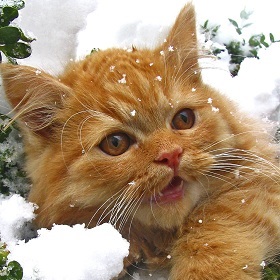
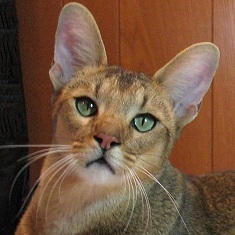
AbyssinianAbyssinian
American bobtailAmerican Bobtail
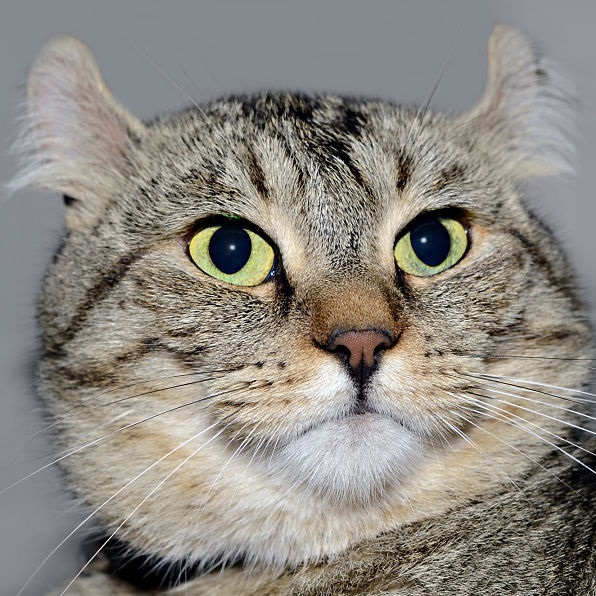
American curlAmerican Curl
American longhairAmerican Longhair
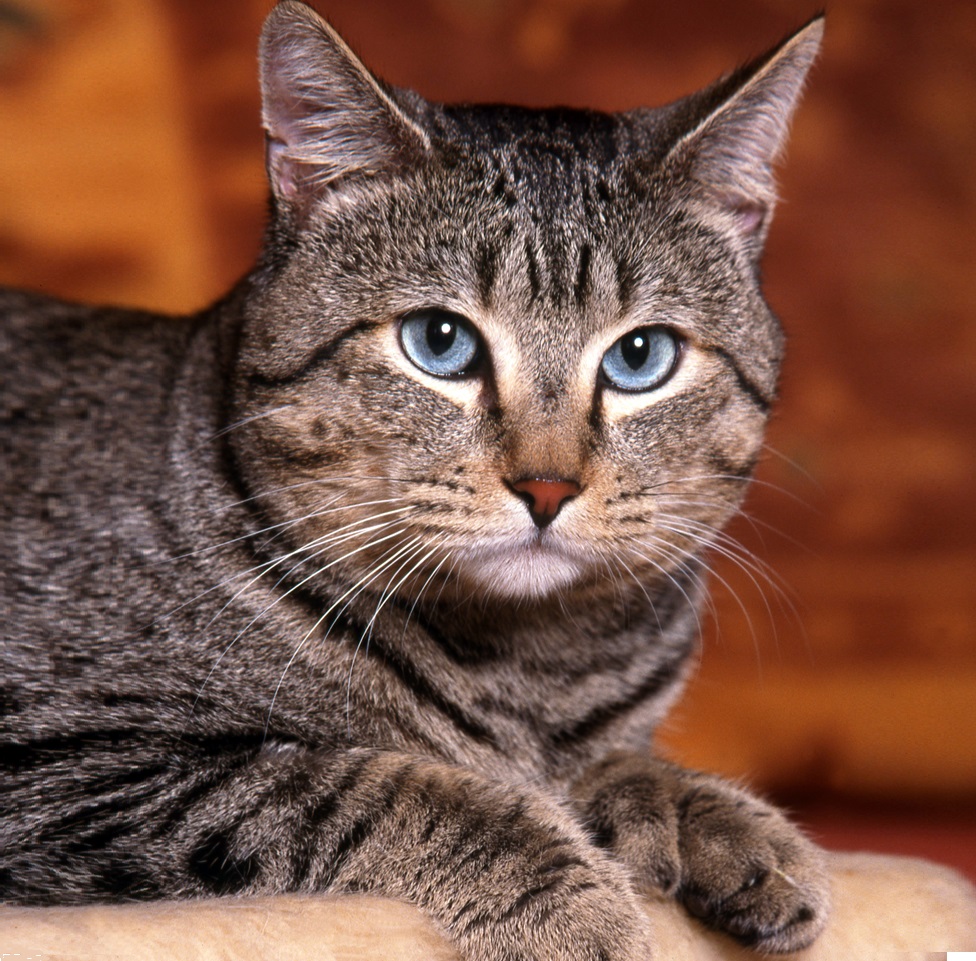
American shorthairAmerican Shorthair
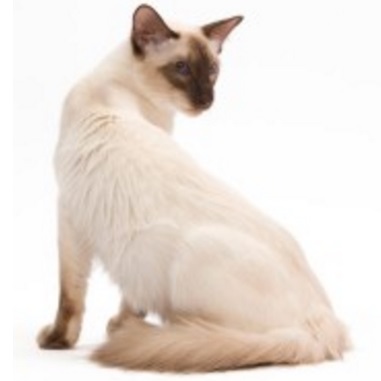
BalineseBalinese
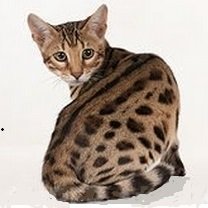
BengalBengal
BirmanBirman
BombayBombay
British shorthairBritish Shorthair
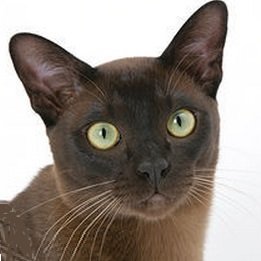
BurmeseBurmese
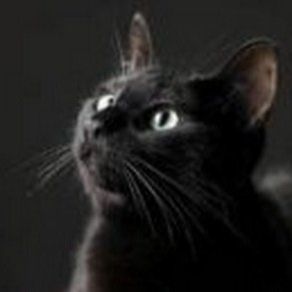
cool cat
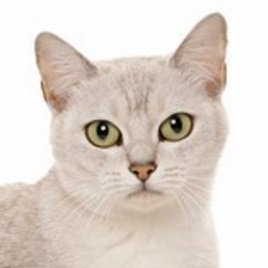
BurmillaBurmilla
calico catCalico
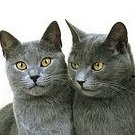
ChartreuxChartreux
chausie catChausie
ChinchillaChinchilla
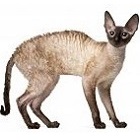
Cornish rexCornish Rex
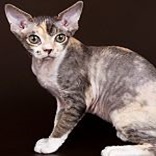
Devon RexDevon Rex
Domestic LonghairDomestic Longhair
Domestic ShorthairDomestic Shorthair
Don SphyinxDonskoy
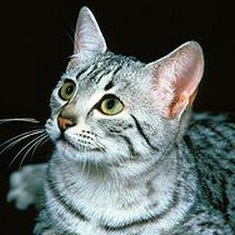
Egyptian MauEgyptian Mau
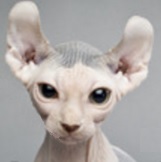
Elf catElf
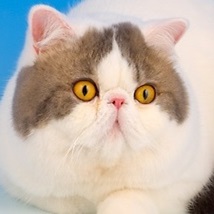
Exotic ShorthairExotic Shorthair
stretch cat
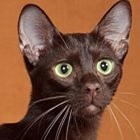
Havana BrownHavana
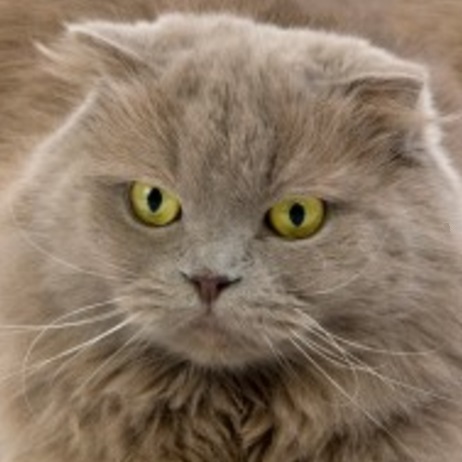
Highland FoldHighland Fold
Highland LynxHighland Lynx
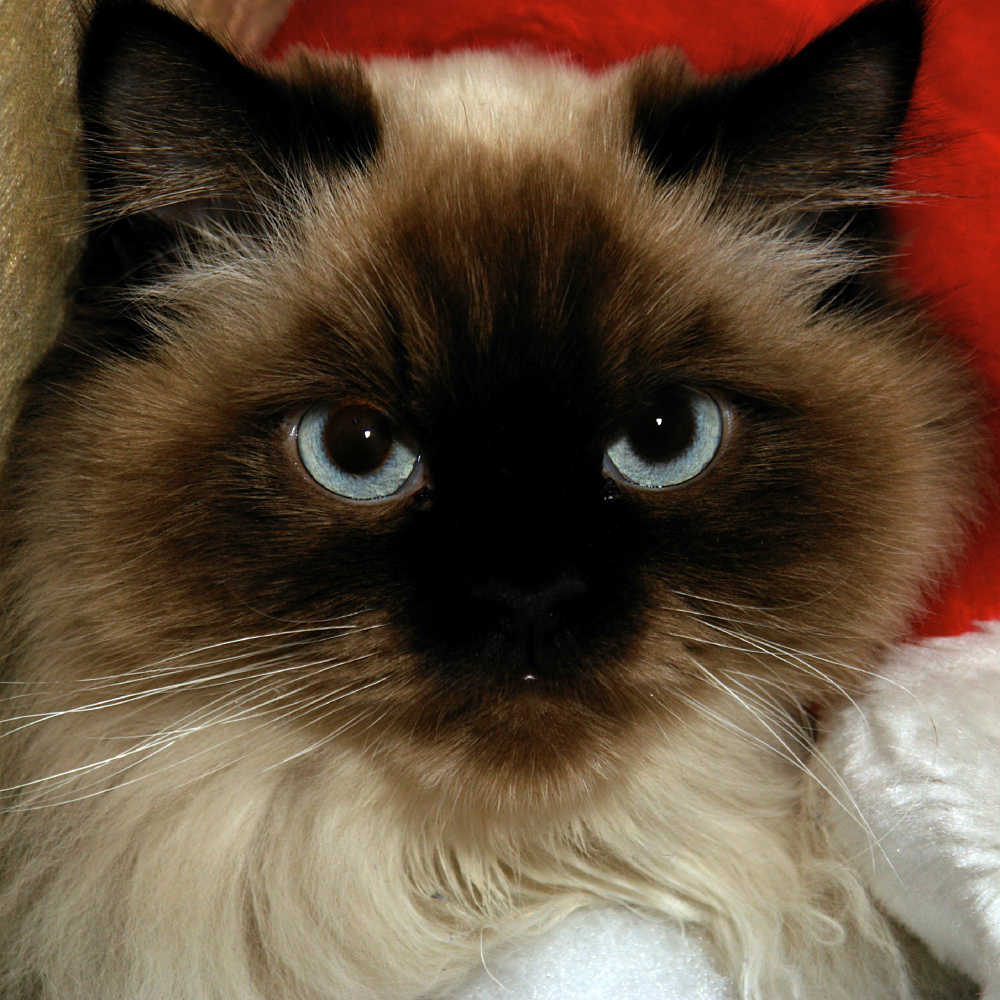
HimalayanHimalayan
Japanese BobtailJapanese Bobtail
KoratKorat
Kurilian BobtailKurilian Bobtail
LaPermLaPerm
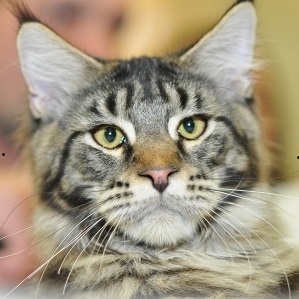
Maine CoonMaine Coon
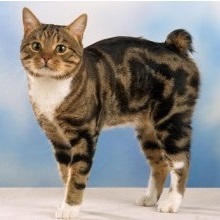
ManxManx
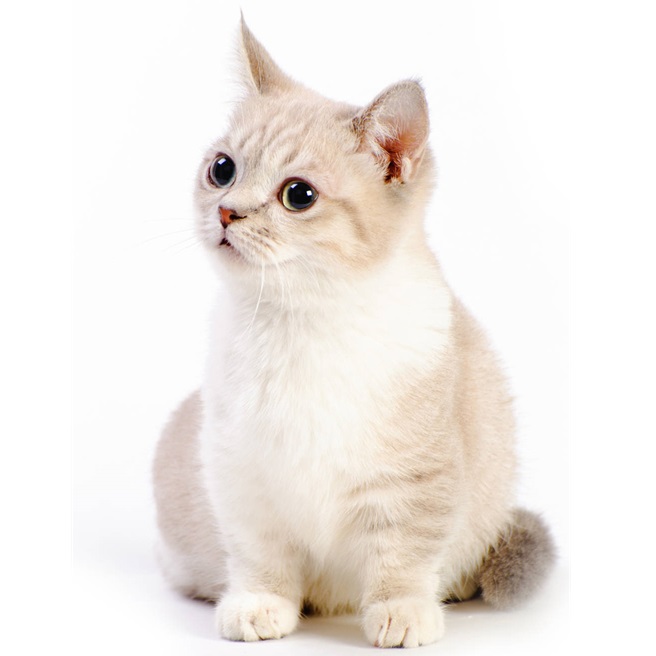
MunchkinMunchkin
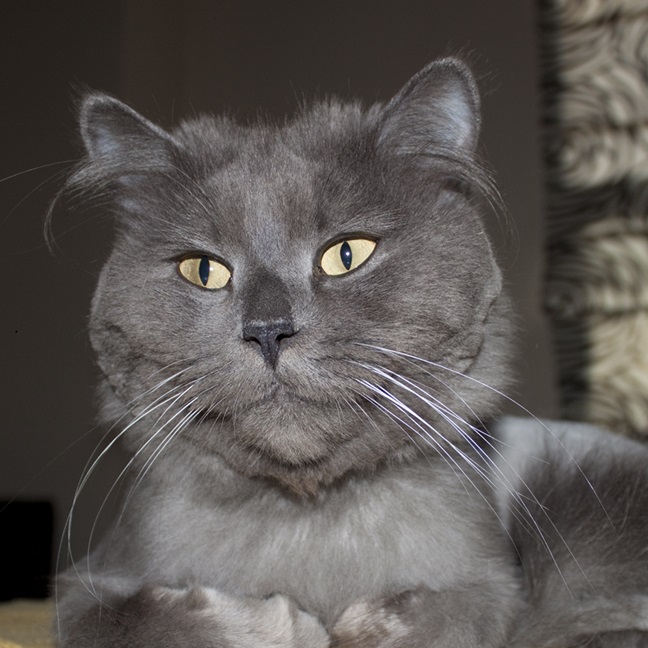
NebelungNebelung
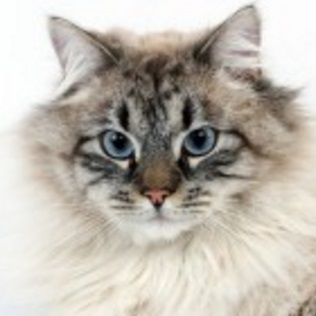
Neva MasqueradeNeva Masquerade
fascinatin
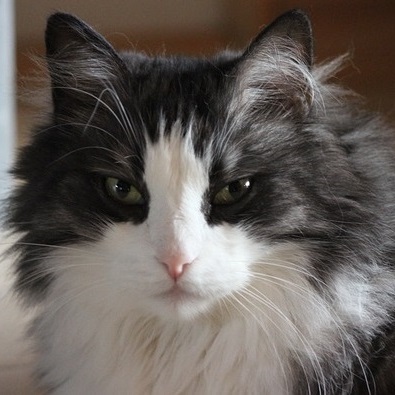
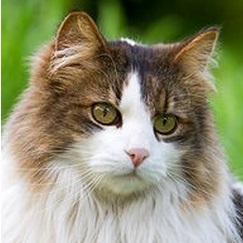
NorwegianNorwegian Forest
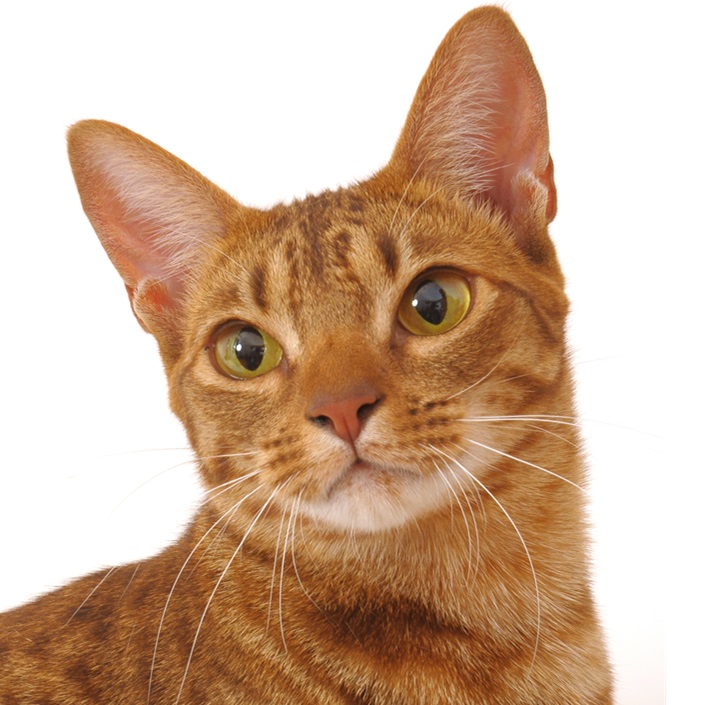
OcicatOcicat
Oriental ShorthairOriental Shorthair
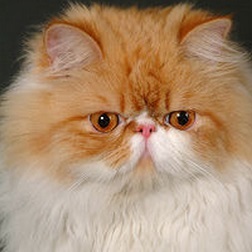
PersianPersian
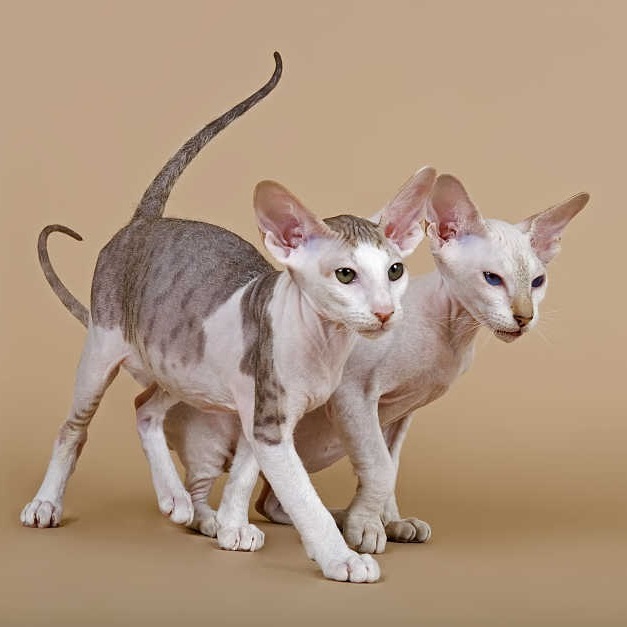
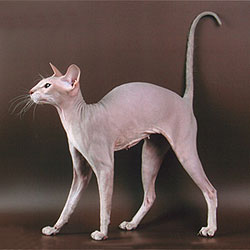
PeterbaldPeterbald
PixiebobPixiebob
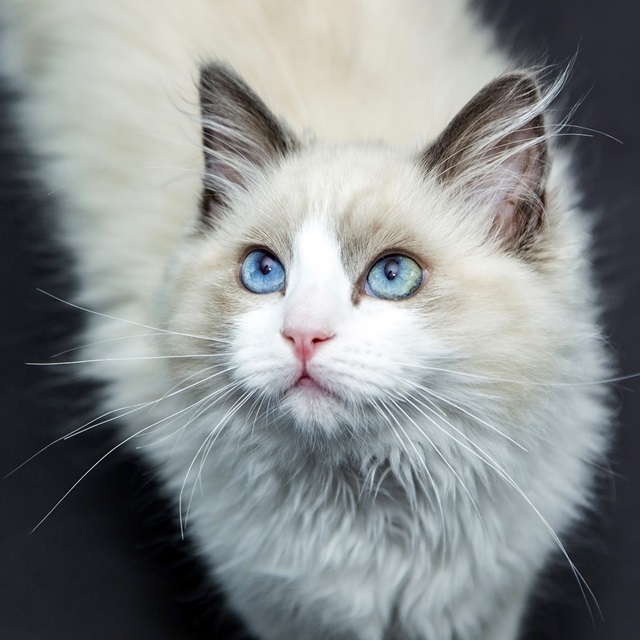
RagdollRagdoll
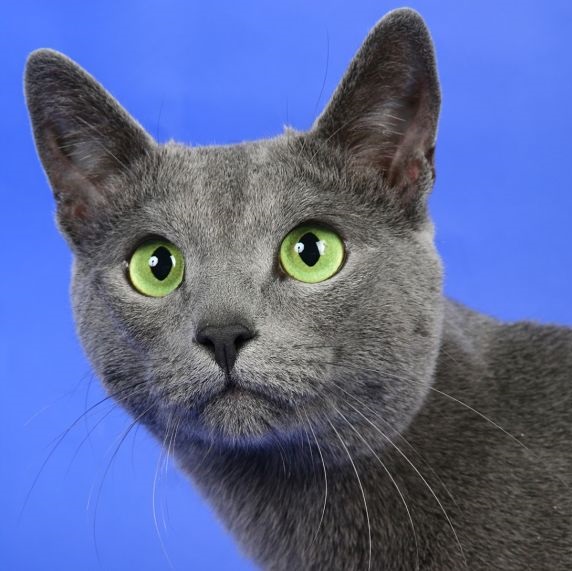
Russian BlueRussian Blue
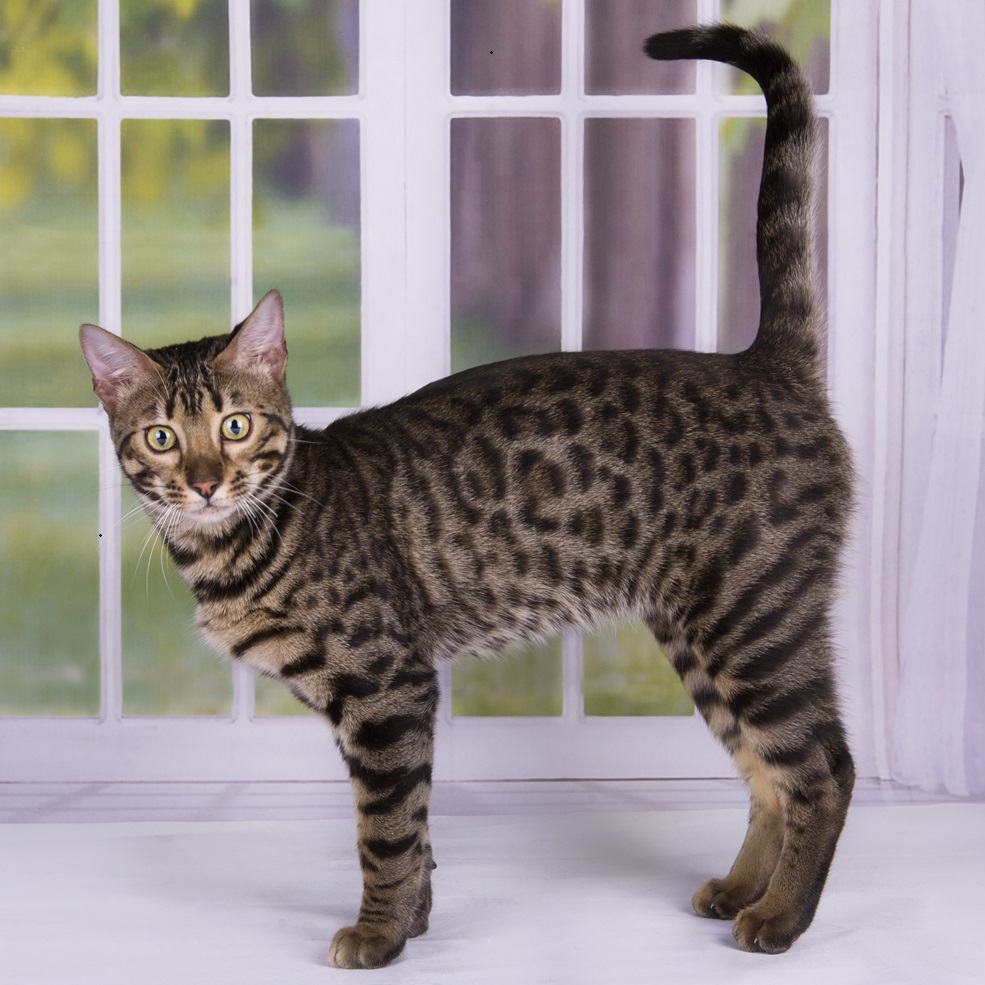
SavannahSavannah
Scottish FoldScottish Fold
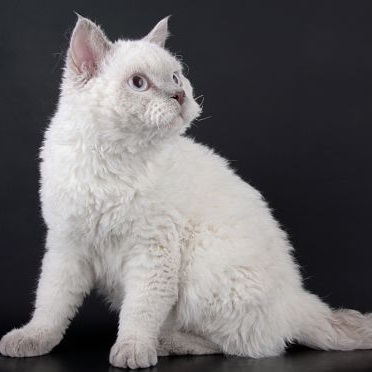
Selkirk RexSelkirk Rex


There are over 70 officially recognized cat breeds in the world today, yet every single one of them descended from just one wild ancestor — *Felis silvestris lybica*, the African wildcat. From one scrappy desert hunter came the fluffy Persian lounging on your couch, the chatty Siamese demanding your attention, and the hairless Sphynx strutting around like it owns the place. That dramatic range of shapes, coats, and personalities is no accident. It is the result of thousands of years of natural adaptation and, more recently, deliberate human selection. 

Domestic cats first appeared alongside humans roughly 10,000 years ago in the Fertile Crescent — the region covering modern-day Iraq, Syria, and surrounding areas. Early farmers stored grain, grain attracted rodents, and rodents attracted wildcats. It was a practical partnership from the start. Cats got easy meals; humans got free pest control. Nobody planned it. It just worked. Over centuries, these cats spread across trade routes, sailed on ships, and eventually reached every corner of the inhabited world. Geography then did its quiet work, shaping coats, body types, and temperaments to match local climates and conditions.

Formal cat breeding, however, is surprisingly recent. The first organized cat show took place in London at Crystal Palace in 1871. That single event sparked a global obsession. Breeders began selecting cats for specific looks — long coats, flat faces, particular color patterns — and registering them with newly formed cat fancy organizations. The Cat Fanciers' Association (CFA), founded in 1906 in the United States, remains one of the most influential registries today. It currently recognizes 45 breeds. The International Cat Association (TICA) recognizes even more, pushing past 70. The numbers keep growing as new breeds gain acceptance every decade.

So what exactly makes a "breed"? A breed is a group of cats that consistently produces offspring with predictable physical traits and, to some degree, behavioral tendencies. Breeders achieve this through careful selection over many generations. Some breeds formed naturally from isolated regional populations — think the Norwegian Forest Cat developing its thick, waterproof coat over centuries of Scandinavian winters. Others were deliberately engineered through crossbreeding programs designed to highlight a specific feature, like the curly coat of the Cornish Rex or the folded ears of the Scottish Fold. Both paths lead to the same destination: a recognizable, reproducible type.

No breed label guarantees a specific personality. Genetics load the dice, but early socialization, daily environment, and individual temperament roll them. Keep that in mind as you explore different cat breeds, because the best match for your home depends on far more than a breed description in a glossy catalog.

Let's talk body types, because the physical diversity across cat breeds is genuinely stunning. Breed registries generally recognize two broad body categories: "cobby" and "foreign" or "oriental." Cobby cats are compact, round, and heavily built — think Persian or British Shorthair. Foreign or oriental types are lean, long, and angular — think Siamese or Abyssinian. Many breeds fall somewhere in the middle, described as "semi-foreign" or "semi-cobby." Body size ranges from the tiny Singapura, often weighing just 4 to 8 pounds, to the massive Maine Coon, which regularly tips the scales at 18 to 25 pounds and holds the record for the world's longest domestic cat.

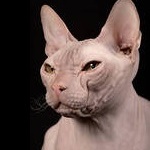
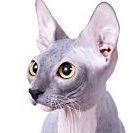
Coat types add another entire layer of variety. Short coats, long coats, curly coats, wire coats, and no coat at all — the options are remarkable. The Devon Rex carries a soft, wavy coat caused by a genetic mutation affecting hair structure. The American Wirehair has individual hairs that are crimped and hooked, giving the coat a rough, springy texture unlike anything else in the cat world. Then there is the Sphynx, which appears completely hairless but actually carries a fine layer of peach-fuzz down. Run your hand across a Sphynx and it feels like warm suede. Coat type also directly affects grooming needs, so it plays a major practical role when choosing a breed.

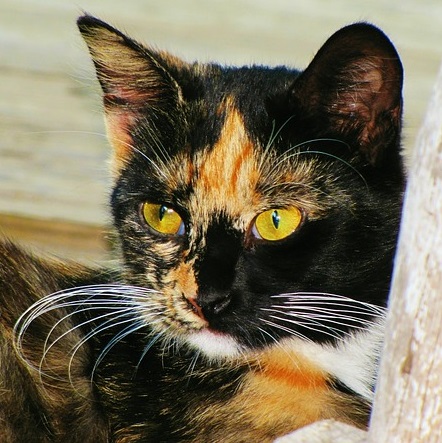
Color and pattern add the final visual layer. Cats display an extraordinary range of markings: solid colors, tabby stripes, tortoiseshell patches, colorpoint markings (darker on the face, ears, paws, and tail), and bicolor combinations. The colorpoint pattern, famously associated with the Siamese, is actually temperature-sensitive. Cooler body parts — extremities — develop darker pigment, while warmer core areas stay pale. Kittens are born almost entirely white because the womb is uniformly warm. As they grow and their extremities cool, the darker "points" develop. That is one of the more elegant biological tricks in the entire animal kingdom.

Now let's move into behavior, because cat personality is where breed selection gets genuinely interesting — and occasionally surprising. Some breeds are famously vocal. The Siamese will hold a full conversation with you, producing loud, low-pitched calls that owners describe as almost human. The Burmese is similarly chatty, though its voice tends to be softer. On the opposite end, the Russian Blue is known for being quiet and reserved, communicating mostly through body language and slow blinks. If you live in an apartment with thin walls, that distinction matters enormously.

Energy levels vary just as dramatically across different cat breeds. The Bengal is a high-octane athlete — it climbs, leaps, and sprints with an intensity that surprises first-time owners. Bengals often learn to open doors, turn on faucets, and fetch toys like dogs. They need serious daily stimulation or they will redecorate your home in ways you will not appreciate. The Ragdoll, by contrast, tends toward a calm, easygoing style. Ragdolls often follow their owners from room to room, flop contentedly in laps, and show little interest in high-speed chaos. Same species, completely different daily experience.

Social needs also split sharply between breeds. The Abyssinian is curious, active, and deeply engaged with its environment — but it often prefers to be *near* people rather than *on* people. It watches, investigates, and participates without necessarily demanding physical contact. The Burmese, on the other hand, is frequently described as "dog-like" in its attachment. It bonds intensely, follows its people everywhere, and can develop anxiety if left alone for long stretches. Understanding a breed's social style before you bring one home saves both you and the cat a great deal of stress.

Intelligence and trainability deserve a spotlight, because cat breeds vary more in this area than most people expect. The Savannah — a hybrid between a domestic cat and a serval — ranks among the most intelligent domestic cats alive. It solves puzzle feeders rapidly, learns its name and commands quickly, and requires mental challenges the way athletes require physical ones. The Turkish Van is another sharp breed, known for its problem-solving curiosity and its unusual love of water — it will voluntarily splash in pools and streams. Meanwhile, breeds like the Persian tend toward a calmer, less investigative style, content to observe rather than experiment.

Health profiles differ significantly across cat breeds, and this is where research pays off most directly. Flat-faced breeds — called "brachycephalic" — include the Persian, Exotic Shorthair, and Scottish Fold. Their compressed facial structure can cause breathing difficulties, dental crowding, and eye drainage problems. The Scottish Fold's signature folded ears result from a cartilage mutation that, in some genetic combinations, can cause painful joint disease throughout the body. The Maine Coon carries a higher-than-average risk for hypertrophic cardiomyopathy (HCM), a heart condition that responsible breeders now screen for actively. Knowing these risks before you choose a breed lets you plan for veterinary care and ask the right questions.

Let's spotlight a few standout breeds that consistently capture people's attention, starting with the Maine Coon. This is America's native giant — a breed that developed naturally in the harsh winters of New England. Maine Coons carry tufted ears, large paws that act like natural snowshoes, and a thick, shaggy coat with a water-resistant outer layer. They are famously gentle despite their size, earning the nickname "gentle giants." Males typically weigh 13 to 18 pounds, with some reaching 25 pounds. They chirp and trill rather than meow, and they tend to get along well with dogs and children — a rare triple win in the pet world.

The Bengal deserves its own paragraph because it genuinely looks like a miniature leopard. Developed in the 1960s and 1970s by crossing domestic cats with Asian Leopard Cats, the Bengal carries a spotted or marbled coat with a distinctive "glitter" effect — individual hairs catch light and shimmer. Bengals are not beginner cats. They are athletic, demanding, and relentlessly curious. They need tall cat trees, puzzle feeders, interactive play sessions, and ideally a companion animal to burn energy with. Get that right, and you have one of the most visually stunning and engaging companions in the entire cat breed world. Get it wrong, and you have a beautiful, bored, destructive force of nature.

The Persian sits at the opposite end of the energy spectrum and has done so for centuries. Persians appeared in Western Europe in the 1600s, brought along trade routes from Persia (modern-day Iran). Their long, flowing coats, flat faces, and large copper or blue eyes made them instant status symbols among European nobility. Today, Persians remain one of the most popular cat breeds globally. They are calm, quiet, and affectionate without being demanding. They prefer peaceful environments and do not thrive in loud, chaotic households. Their coats require daily brushing — skip that commitment and you will face serious matting problems within weeks.

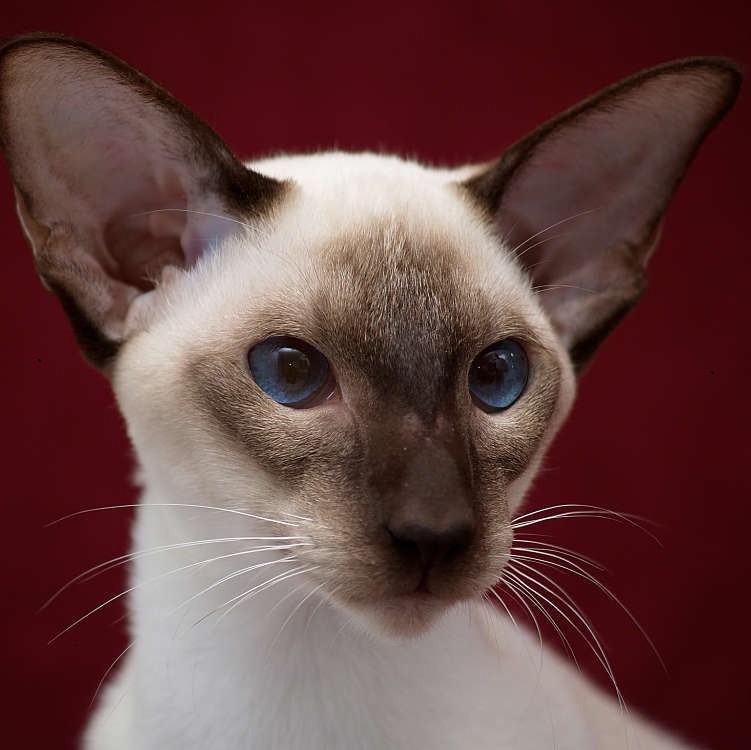
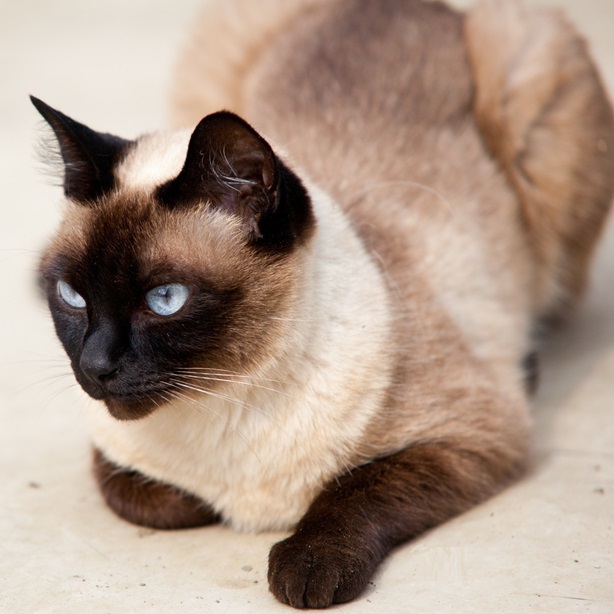
The Siamese is arguably the most recognizable cat breed on Earth. Ancient manuscripts from Thailand depict Siamese-type cats as far back as the 14th century, making this one of the oldest documented breeds in existence. Siamese cats arrived in the United States in 1878 as a diplomatic gift to President Rutherford B. Hayes. Their sleek bodies, striking blue eyes, and colorpoint markings are iconic. But their personality is what truly sets them apart. Siamese cats form intense bonds with their people, vocalize constantly, and do not handle solitude well. They are not a "background" cat — they are a full participant in your daily life, whether you invited them or not.

For people drawn to rarer or more unusual cat breeds, a few options stand out immediately. The Lykoi — nicknamed the "werewolf cat" — carries a partial hairlessness pattern that gives it a wild, unsettling appearance. Despite looking like something from a Halloween decoration, Lykois are reportedly affectionate and playful. The Minskin combines the short legs of the Munchkin with the sparse coat of the Sphynx. The Khao Manee is an ancient Thai breed with pure white fur and often "odd eyes" — one blue, one gold — considered a symbol of good luck in Thai culture for centuries. These rarer breeds remind us that the cat fancy world never stops experimenting.

Choosing among the many remarkable cat breeds is ultimately a deeply personal decision — and a genuinely exciting one. Match energy levels first: a high-drive Bengal in a quiet apartment rarely ends well for anyone. Consider grooming commitment honestly: a Persian's coat is gorgeous but demanding. Think about your household's noise level, other pets, and how much solo time the cat will spend each day. The right breed — or the right individual cat — will slot into your life like it was always meant to be there. That is the quiet magic of this whole endeavor. So ask yourself: are you choosing a cat that fits your lifestyle, or are you falling for a look and hoping the rest works out? — *Cat Breeds*

Your second block of text...